
From research and testing to proven solutions for industrial applications
Featured projects showcase successful solutions that demonstrate our expertise in processing challenging materials and developing innovative technological processes.
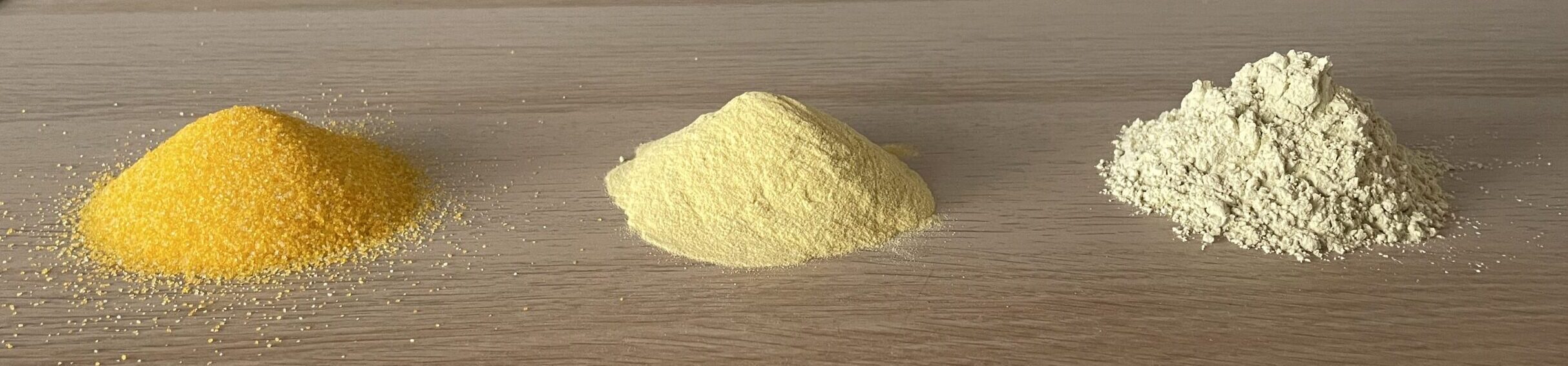
Fusing Glass Processing
Objective
To micronize fusing glass used in kiln-forming applications from an initial particle size range of 360–1000 μm to a final fraction of 0–360 μm while maintaining complete freedom from iron contamination.
Project Outcome
During initial trials, minor iron contamination was identified and traced to specific components of the production line. Following targeted modifications and process optimization, the issue was fully eliminated.
Several tonnes of material were subsequently processed, consistently meeting all quality requirements and customer specifications. The project confirmed the suitability of our micronization technology for applications where material purity is critical.
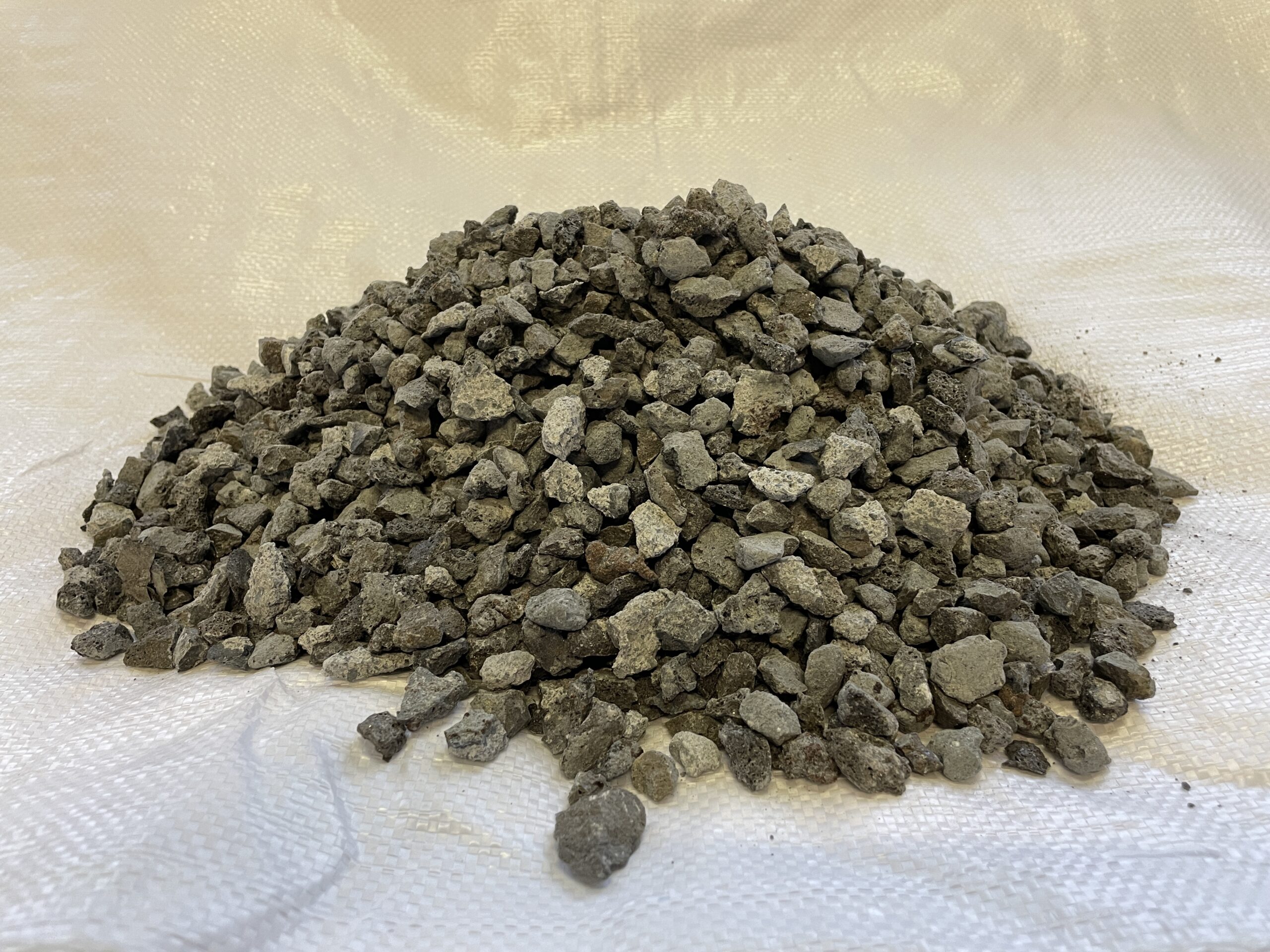
Steel Slag Valorization
Objective
To micronize steel slag to a specific surface area of 400–500 m²/kg and prepare test samples for evaluating its use as a supplementary cementitious material in concrete production.
Project Outcome
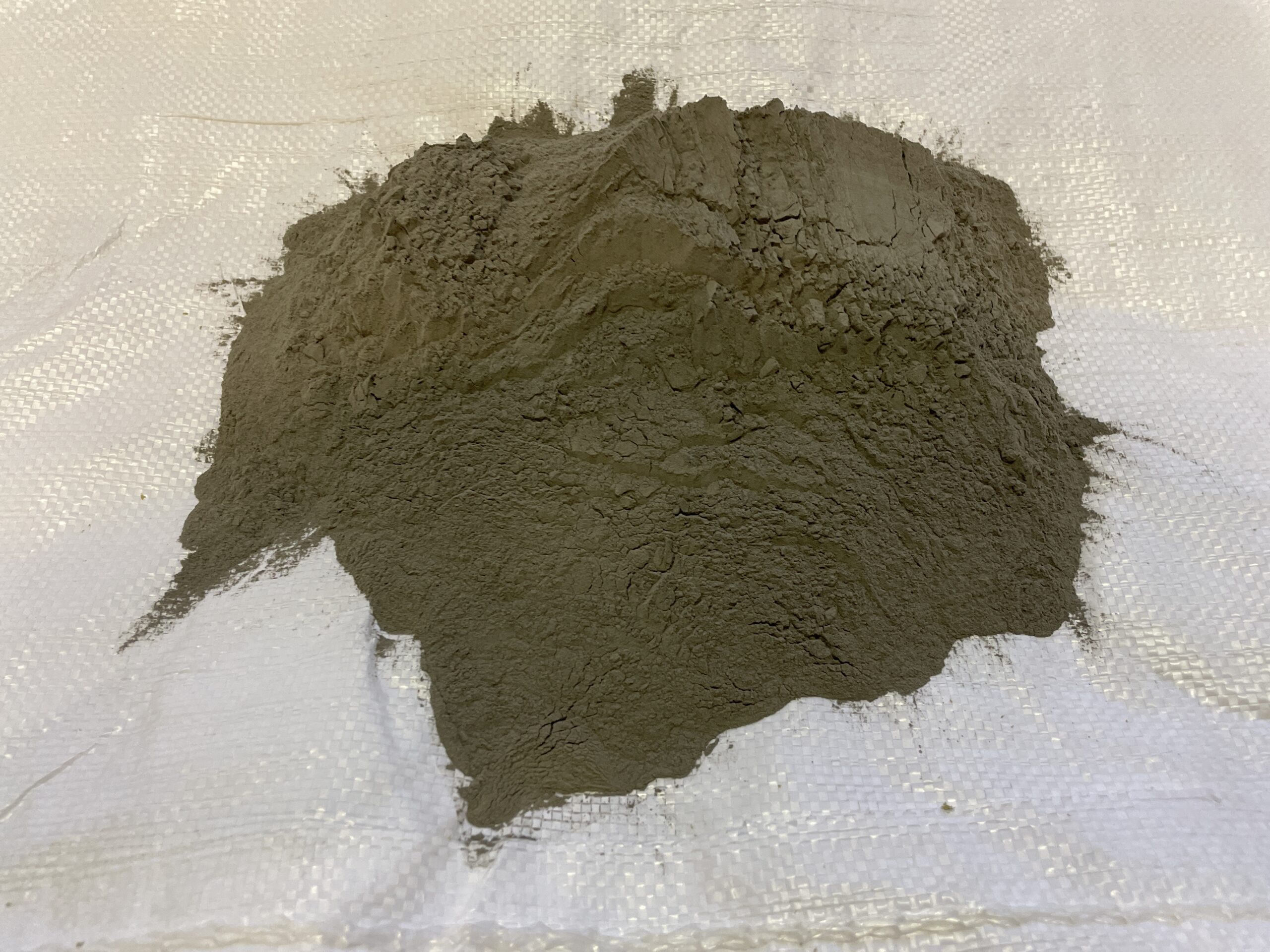 A key challenge was establishing a reliable correlation between the customer’s required Blaine specific surface area and particle size measurements obtained using laser diffraction.
Through extensive testing and analysis, we verified the relationship between the two measurement methods and developed a robust process control approach. This enabled us to consistently achieve the target fineness, prepare the required sample quantities, and deliver them for further performance testing.
The project demonstrated the potential of steel slag as a valuable secondary raw material for sustainable construction applications.
Quartz Glass Upcycling

Objective
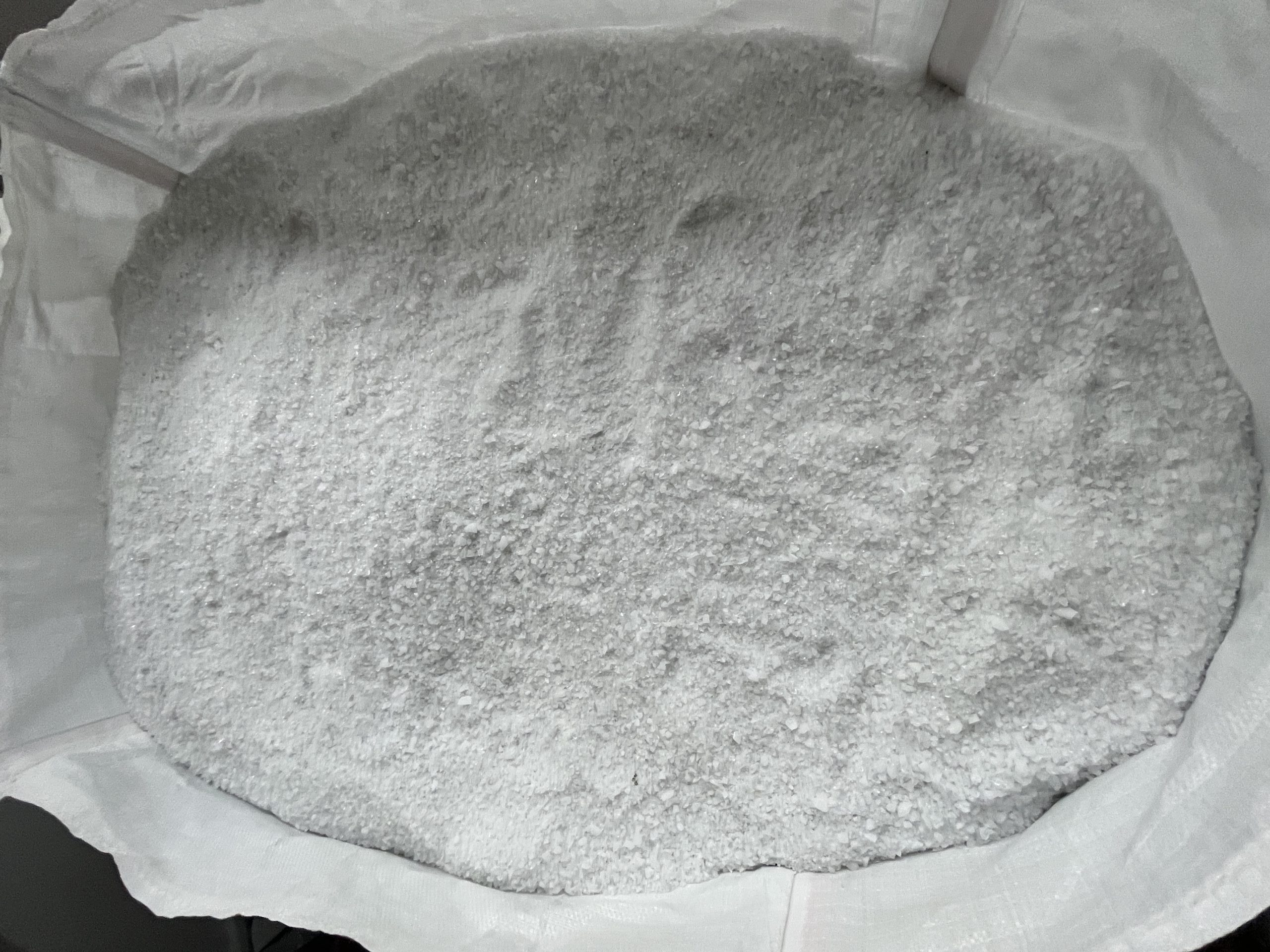
To process waste quartz glass into a 0–10 mm fraction suitable for use in the production of refractory materials.
Project Outcome
From a technological perspective, the project progressed smoothly. Test samples were prepared quickly, and the processing route was established without significant complications.
 The greater challenge lay in regulatory compliance. The quartz glass had originally been classified as waste intended for landfill disposal, preventing its further utilization.
In cooperation with the Ministry of Industry and Trade, we developed a legally compliant pathway for reclassifying the material as a secondary raw material. Achieving this required coordination among the waste producer and regulatory authorities.
The resulting solution created benefits for all stakeholders. The original waste producer improved its ESG performance, the refractory manufacturer secured a stable source of raw material, and dependence on imported resources was reduced.
At the same time, the project delivered measurable environmental benefits and provided a practical example of circular economy principles in action.
Epoxy Composite Recycling

To process epoxy composite material into a particle size fraction of 0–100 μm and prepare representative samples for further testing.
Project Outcom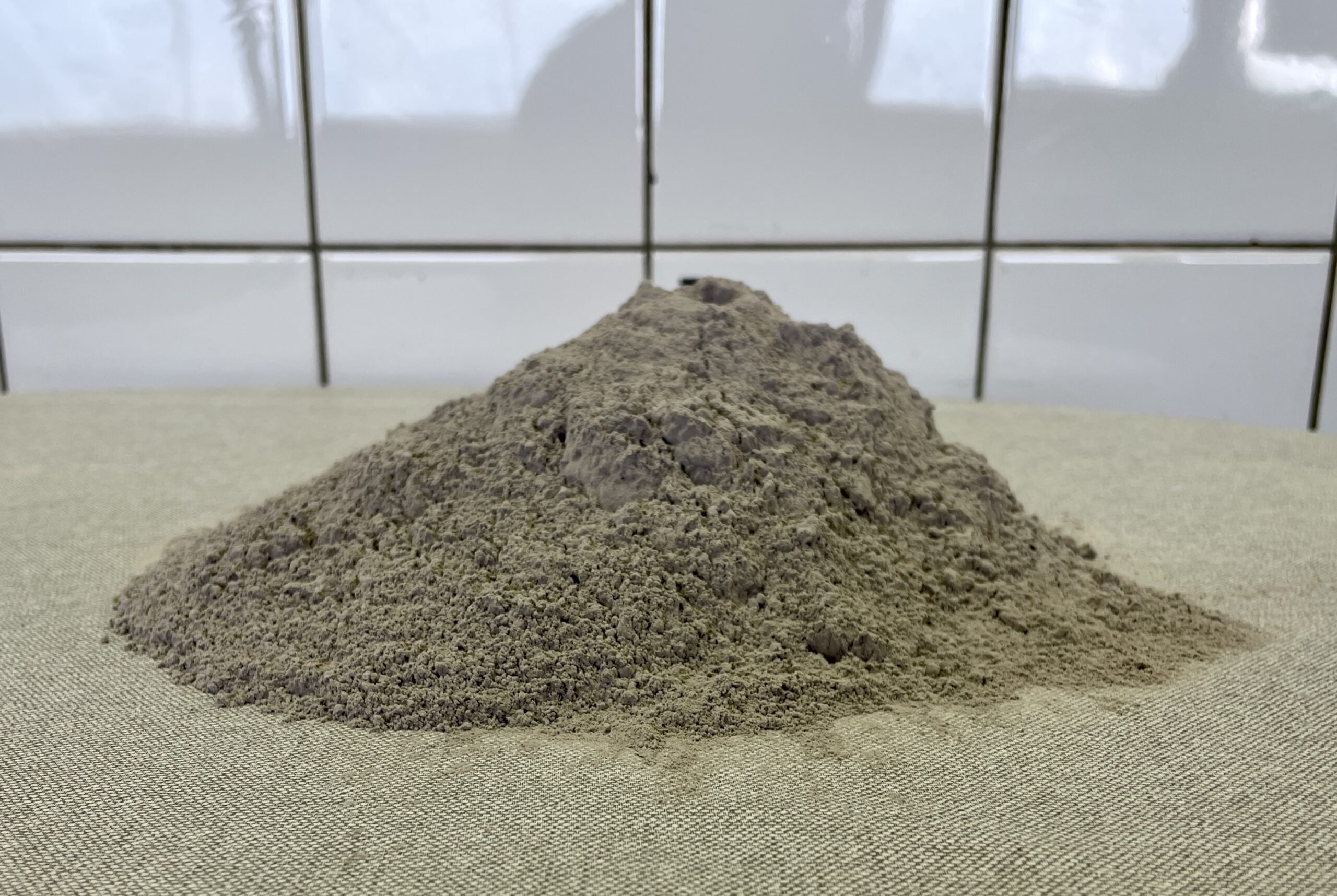
The supplied material was first reduced to a particle size suitable for micronization, with all particles below 5 mm. The pre-processed material was then micronized to the required 0–100 μm fraction.
The final material met all specified requirements and was delivered as a series of samples for subsequent laboratory and application testing.
The project demonstrated our ability to combine crushing and micronization technologies into a single integrated processing route for advanced composite materials.
Advanced Composite Processing

Objective
To process glass-fibre-reinforced polyester composite into a 15–50 mm fraction for the evaluation of potential recycling technologies.
Project Outcome
Although our crushing technology is not primarily designed for fibre-reinforced composites, it was selected as the most promising solution.
 Initial trials revealed significant processing challenges. The fibrous structure of the material generated large quantities of glass-fibre wool, leading to rapid screen blockage, unstable particle size control, and frequent overloading of the crushing system.
Through detailed analysis of the material’s fracture behaviour and progressive optimization of operating parameters, we successfully adapted the process and achieved the required particle size distribution.
The project highlights our capability to solve unconventional material-processing challenges and develop effective solutions even for materials that fall outside the standard operating range of conventional crushing technologies.